If you're serious about your sport, you know the frustration: you rest the nagging elbow, the cranky shoulder, or the tight calf, it finally calms down, you get back out there — and within a few weeks, it's back. Same spot. Same ache. Same sidelining.
Most people assume that means they just need more rest, or that it's "their age." Usually, it's neither. More often, the real culprit is soft tissue that never actually got addressed.
Rest calms the symptom — it doesn't fix the cause
When a muscle is overworked or injured, it tightens up to protect itself. Over time that protective tension becomes chronic: knots (trigger points) form, and the fascia — the connective tissue wrapping your muscles — develops adhesions that keep the tissue from gliding and moving the way it should. The result is a muscle that's stiff, weak in certain positions, and constantly tugging on the joint it crosses.
Rest quiets the pain for a while. But the moment you load that same tissue again — the same swing, stride, or lift — the underlying restriction is still there, and the injury flares right back up. That's the cycle. And it's why "just rest it" so often fails serious athletes.
Why this matters more as you get older
Here's the part nobody likes to hear but everybody over 40 has felt: tissue changes with age. Tendons and muscles recover more slowly, old injuries leave behind lingering tightness and scar tissue, and the little restrictions you used to "play through" at 25 don't just disappear on their own anymore. None of that means you have to slow down. It means the soft tissue component — the part that used to resolve itself — now often needs to be treated directly.
How soft tissue therapy breaks the cycle
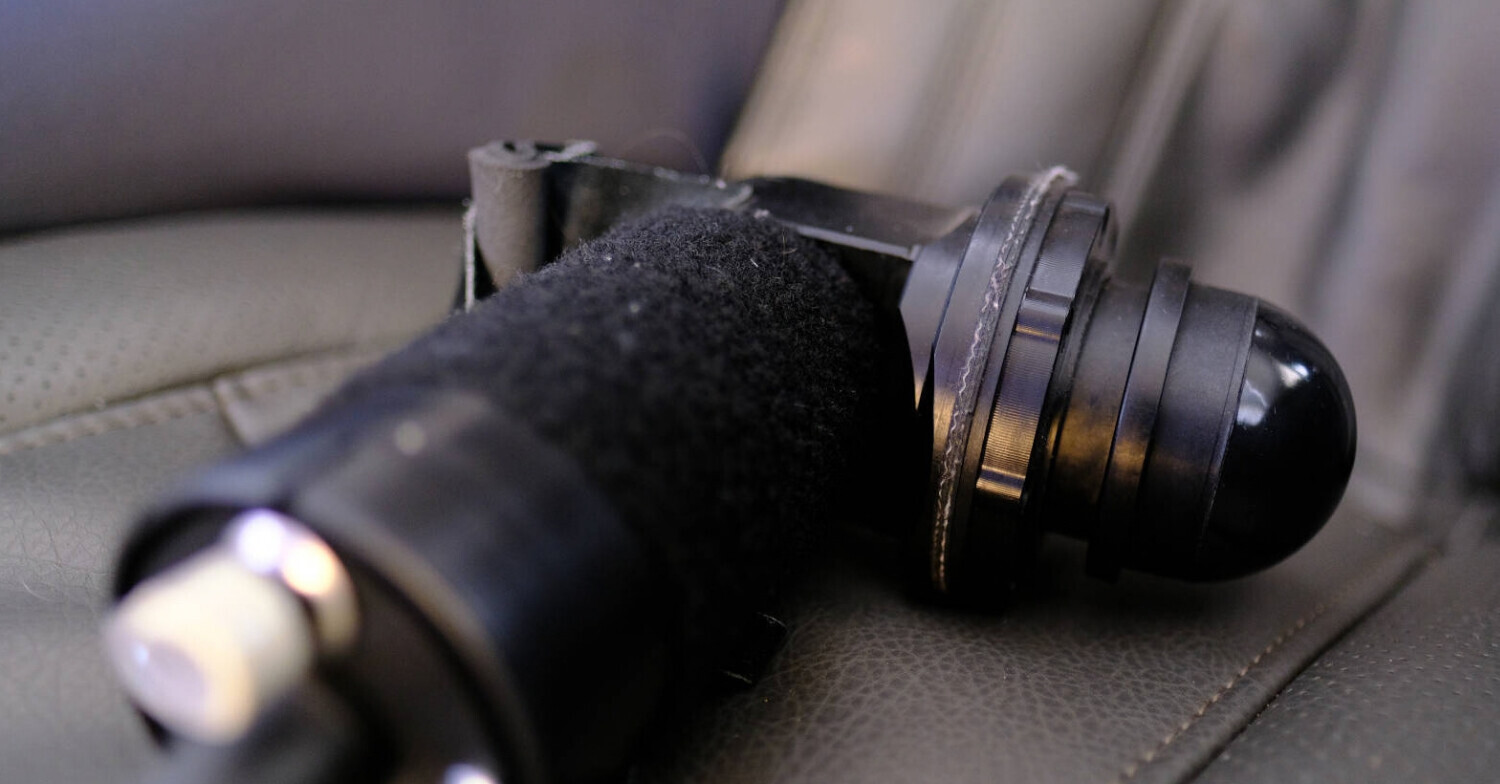
At Restorative Care Chiropractic, I use the Vibracussor, a clinical percussion instrument that delivers rapid, controlled vibration deep into muscle and fascia. Applied to the specific trigger points and adhesions behind your injury, it breaks up the restrictions, releases chronic muscle guarding, and restores the tissue's normal glide and movement — reaching deeper than hands-on massage, with less discomfort.
But the real key is why we treat the soft tissue, not just that we do. Muscles and joints work together. A tight, restricted muscle pulls a joint out of position and keeps a chiropractic adjustment from holding. Release the soft tissue, and the adjustment holds longer, the joint moves better, and the injury finally has a chance to actually heal instead of flaring again. Paired with the right corrective work — and, when needed, Class IV laser or shockwave therapy to accelerate tendon healing — soft tissue treatment is often the missing piece in an injury that won't quit.
If the same injury keeps coming back
That's the signal. A recurring injury almost always has an underlying cause that rest alone won't touch — a soft tissue restriction, a movement compensation, or a mechanics issue. The good news is that those are treatable, and finding what's actually driving your pattern is exactly what a proper assessment is for.
You don't have to give up your sport, and you don't have to keep riding the injury-rest-reinjury rollercoaster. If the same problem keeps pulling you off the court, the course, or the road, let's find out what's really going on.
Dr. Julie O'Shaughnessy is a sports chiropractor in Peachtree City, GA, with a Master of Science in Sports Science and 25+ years of experience helping serious recreational athletes stay in the game.
[BOOK AN EVALUATION]

Julie O'Shaughnessy
Contact Me